
Dog harnesses are becoming increasingly popular for safe and comfortable walks. They offer a fantastic alternative to traditional collars, distributing pressure and enhancing control.
Choosing the right harness involves understanding different types and features, ensuring a secure and enjoyable experience for both you and your canine companion.
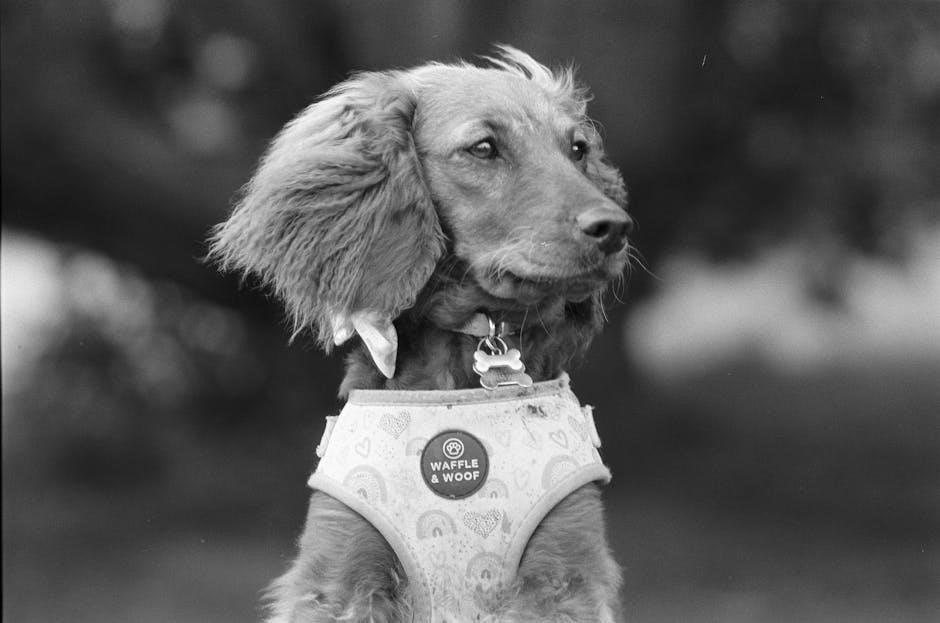
Why Choose a Harness Over a Collar?
Traditional collars, while commonplace, can present several drawbacks for our canine friends. A primary concern is the potential for injury, particularly to the delicate trachea. When a dog pulls on a collar, the force is concentrated directly on the neck, potentially leading to collapsed tracheas, especially in smaller breeds prone to this condition.
Harnesses, conversely, distribute pressure across the dog’s chest and shoulders, significantly reducing strain on the neck. This makes them a much safer option, particularly for dogs who are enthusiastic pullers or have pre-existing neck sensitivities. Beyond physical safety, harnesses offer improved control. Front-clip harnesses, specifically, can discourage pulling by gently redirecting the dog’s attention back towards you when they surge forward.
Furthermore, harnesses are beneficial for dogs with certain body shapes. Breeds with deep chests, like Greyhounds, can easily slip out of collars, whereas a well-fitted harness provides a secure and comfortable fit. Ultimately, the choice between a collar and a harness depends on your dog’s individual needs and temperament, but the advantages of a harness in terms of safety and control are undeniable.
Benefits of Using a Dog Harness
Employing a dog harness extends beyond simply preventing neck strain; it unlocks a multitude of benefits for both the dog and the owner. Enhanced control during walks is a significant advantage, particularly with front-clip designs that discourage pulling and make managing energetic dogs considerably easier. This reduces stress on both ends of the leash, fostering a more enjoyable walking experience.
For dogs recovering from surgery or managing mobility issues, a harness provides crucial support. It allows owners to assist their pets without causing discomfort or exacerbating existing conditions. The even distribution of pressure also benefits dogs with respiratory problems, minimizing strain on their airways.
Moreover, harnesses often feature reflective elements, boosting visibility during low-light conditions and enhancing safety on evening or early morning walks. The adjustability of most harnesses ensures a secure and comfortable fit, preventing escape attempts and promoting a sense of security for your furry companion. Ultimately, a harness contributes to a happier, healthier, and safer walking experience for everyone involved.
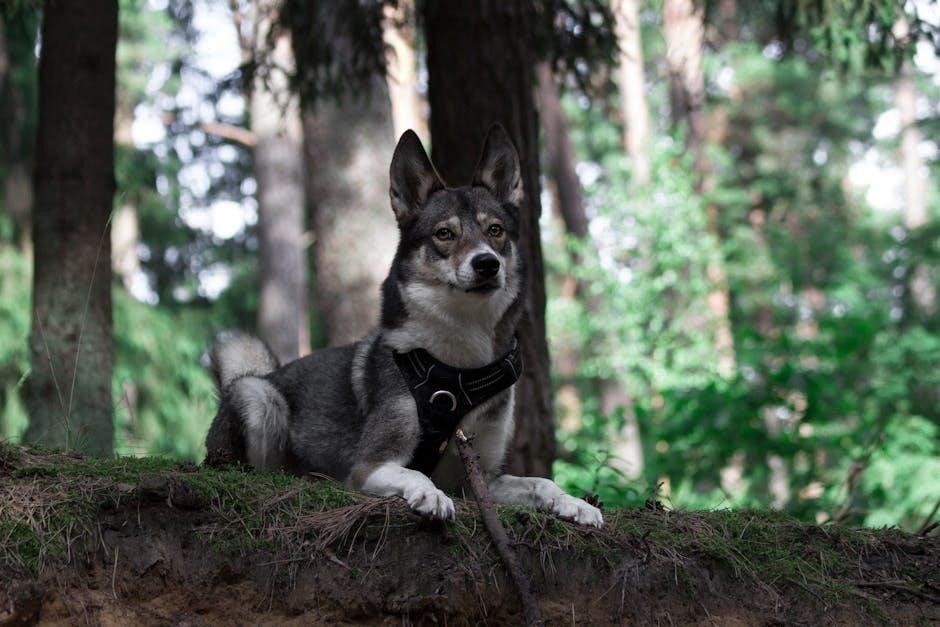
Types of Dog Harnesses
Dog harnesses come in diverse designs, each catering to specific needs. Common types include front-clip, back-clip, no-pull, and escape-proof harnesses, offering varied control and comfort levels.
Front-Clip Harnesses
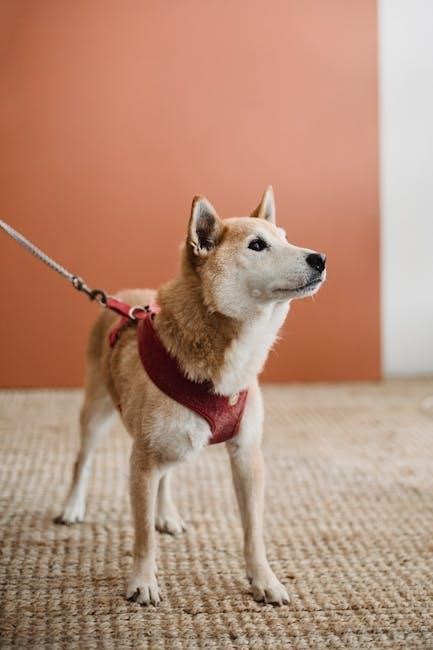
Front-clip harnesses, like the Ruffwear Front Range, feature a leash attachment point on the dog’s chest. This design is exceptionally effective for discouraging pulling, as it gently redirects the dog’s momentum to the side whenever they attempt to forge ahead. This redirection, rather than a restrictive choke, makes walking a more pleasant experience for both the owner and the pet.
When a dog pulls on a front-clip harness, the leash doesn’t pull against their stride, but rather across it. This subtle change in physics discourages the pulling behavior without causing discomfort or injury. They are particularly beneficial for strong dogs or those still learning leash manners. However, it’s important to note that front-clip harnesses aren’t necessarily designed to stop pulling entirely, but to make it less rewarding and easier to manage.
Consider a front-clip harness if your dog is a persistent puller, or if you’re working on leash training. Ensure a proper fit to maximize effectiveness and comfort. These harnesses are a great tool for creating a more enjoyable and controlled walking experience.
Back-Clip Harnesses
Back-clip harnesses, such as the Julius K9 IDC Powerharness, are the most traditional and commonly available type of dog harness. They feature a leash attachment point on the dog’s back, between the shoulder blades. These harnesses are generally favored for their simplicity and ease of use, making them a great starting point for dogs new to harness wear.
Back-clip harnesses are ideal for dogs that don’t pull excessively on the leash, or for those who have good leash manners already. They allow for a full range of motion and don’t restrict the dog’s natural gait. They distribute pressure evenly across the chest and shoulders, reducing the risk of chafing or discomfort compared to a collar;
While not designed to actively deter pulling, back-clip harnesses provide excellent control and security during walks. They are a versatile option suitable for everyday use and various activities. Prioritize a secure and comfortable fit to ensure your dog enjoys their walks without restriction or irritation.
No-Pull Harnesses
No-pull harnesses, like the Halti No Pull Harness, are specifically engineered to discourage leash pulling and make walks more enjoyable for both dog and owner. They achieve this by redirecting the dog’s forward momentum when they attempt to pull, gently steering them back towards you.
These harnesses typically feature a leash attachment point on the dog’s chest. When a dog pulls, the harness rotates their body slightly to the side, making it physically more difficult and less rewarding to continue pulling. This encourages them to walk politely by your side.
No-pull harnesses are particularly beneficial for strong dogs or those still learning proper leash etiquette. It’s crucial to introduce the harness gradually and pair it with positive reinforcement training. Avoid jerking or yanking on the leash, as this can negate the harness’s benefits and potentially cause discomfort. Consistent, gentle guidance is key to success.
Escape-Proof Harnesses
Escape-proof harnesses are designed with a focus on security, preventing clever canines from slipping out of their gear during walks. These harnesses typically incorporate multiple adjustment points and a snug, secure fit to minimize any potential escape routes. They are a vital choice for dogs known for their Houdini-like abilities!
Key features often include a combination of chest and belly straps, sometimes with additional straps around the ribs, creating a more encompassing and restrictive fit. Some designs utilize buckles and closures that are more difficult for a dog to manipulate with their paws or teeth. A properly fitted escape-proof harness should allow for a comfortable range of motion while remaining securely in place.
When selecting an escape-proof harness, prioritize accurate measurements and a snug, but not overly tight, fit. Regularly check the harness for wear and tear, ensuring all buckles and straps are functioning correctly. These harnesses offer peace of mind, especially in busy or unfamiliar environments.
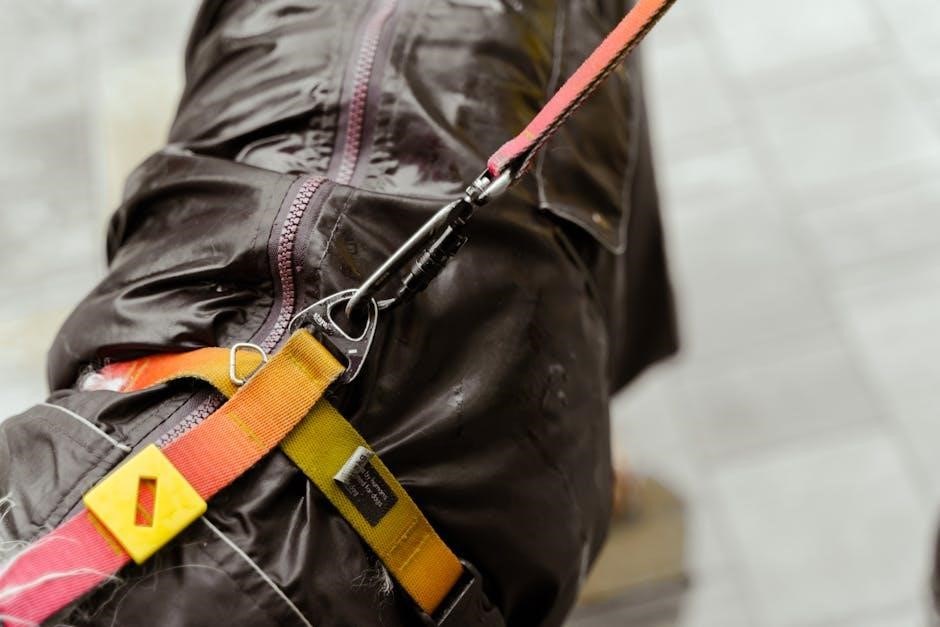
Harness Features to Consider
Essential harness features include adjustability for a perfect fit, comfortable padding to prevent chafing, and durable materials for long-lasting use. Reflective elements enhance visibility!
Adjustability and Fit

Achieving a secure and comfortable fit is paramount when selecting a dog harness. Ill-fitting harnesses can cause discomfort, chafing, or even allow your dog to escape. Look for harnesses with multiple adjustment points – around the neck, chest, and belly – to customize the fit to your dog’s unique physique.
A properly fitted harness should allow two fingers to slide comfortably between the harness straps and your dog’s body. The harness shouldn’t be so tight that it restricts movement or breathing, nor so loose that your dog can slip out of it. Pay close attention to the chest strap; it should sit high on the chest, just behind the front legs, to prevent rubbing and ensure a secure hold.
Consider the range of adjustability offered by the harness. Some harnesses have limited adjustment options, while others offer a more extensive range, accommodating dogs with varying body shapes and sizes. Regularly check the fit, especially for growing puppies or dogs who experience weight fluctuations. A well-adjusted harness promotes comfort, safety, and control during walks.
Padding and Comfort
Prioritizing your dog’s comfort is crucial when choosing a harness, especially for longer walks or dogs prone to sensitivity. Padding plays a significant role in preventing chafing and irritation, particularly in areas where the harness makes direct contact with your dog’s skin, such as the chest, shoulders, and belly.
Look for harnesses featuring soft, breathable padding made from materials like mesh, fleece, or neoprene. These materials help to wick away moisture, reducing the risk of skin irritation and keeping your dog cool and comfortable. The thickness and placement of the padding are also important considerations. Generous padding in key areas provides superior cushioning and protection.
Consider your dog’s coat type and skin sensitivity when selecting a harness. Dogs with short coats or sensitive skin may benefit from harnesses with extra padding or softer materials. Avoid harnesses with rough or abrasive edges that could cause discomfort. A comfortable harness encourages a positive walking experience for your furry friend, making outings more enjoyable for both of you.
Material Durability
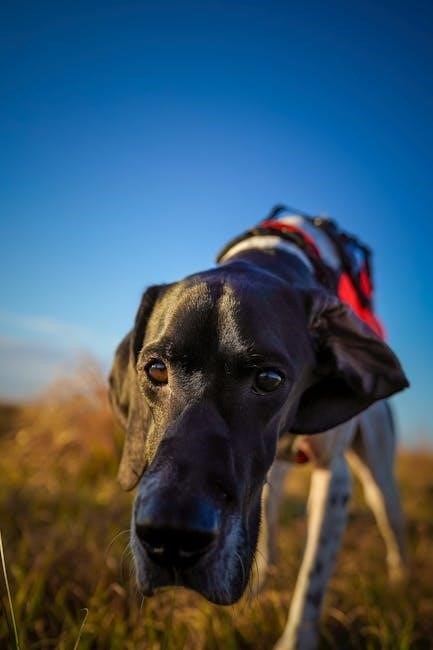
A dog harness’s longevity hinges on the quality of its materials and construction. Considering your dog’s size, activity level, and chewing habits is paramount when assessing durability. Materials like nylon are common due to their strength and resistance to abrasion, while polyester offers good durability and is often more affordable.
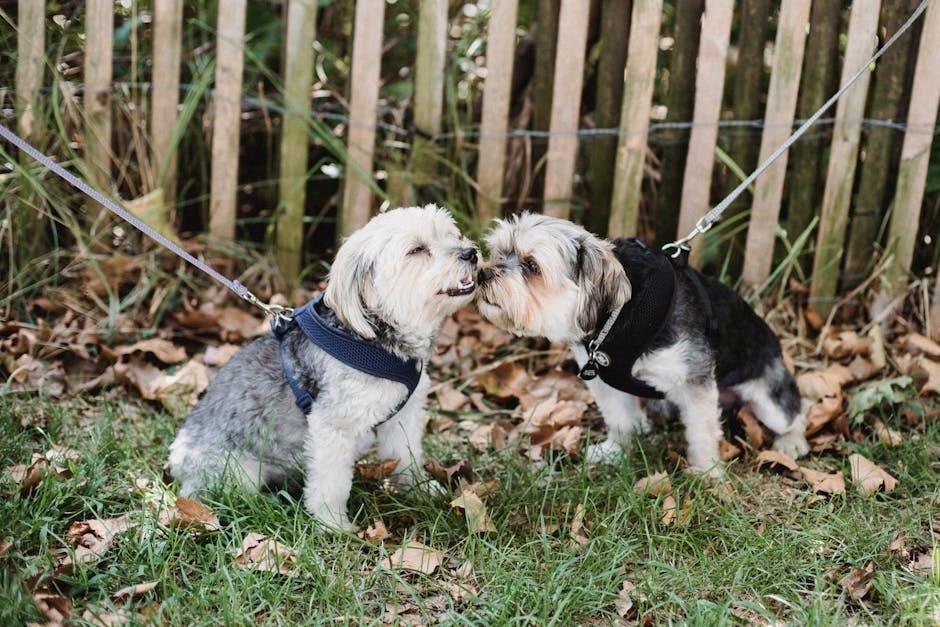
For robust dogs or those engaging in strenuous activities like hiking or running, look for harnesses constructed from heavier-duty nylon or reinforced materials. Check the stitching – strong, even stitching indicates a well-made harness that can withstand significant pulling and wear. Metal hardware, such as buckles and D-rings, should be made from stainless steel or coated alloys to prevent rust and corrosion.
Evaluate the harness’s resistance to tearing and fraying. A durable harness should maintain its structural integrity even with regular use and exposure to the elements. Regularly inspect the harness for signs of wear and tear, such as loose stitching, frayed edges, or damaged buckles, and replace it if necessary to ensure your dog’s safety and comfort.
Reflective Elements for Safety
Visibility is crucial when walking your dog, especially during low-light conditions like dawn, dusk, or nighttime. Harnesses equipped with reflective elements significantly enhance your dog’s visibility to motorists, cyclists, and pedestrians, minimizing the risk of accidents.
Look for harnesses featuring reflective stitching, strips, or panels strategically placed on the back, sides, and chest. The more reflective material, the better. Some harnesses incorporate highly reflective 3M Scotchlite material, known for its superior brightness and durability. Consider the placement of reflective elements – they should be visible from multiple angles.
Beyond the harness itself, supplementing with additional reflective gear, such as a reflective leash or collar, can further increase your dog’s visibility. For maximum safety, choose bright colors for the harness, as these are more easily noticeable during the day. Regularly check the reflective material for damage or fading, and replace the harness if the reflectivity diminishes to ensure continued protection for your furry friend.
Choosing the Right Harness for Your Dog
Selecting the ideal harness depends on your dog’s size, breed, and specific needs. Proper fit and functionality are paramount for comfort and effective control during walks.
Harnesses for Small Breeds
Small breed dogs, like Chihuahuas, Yorkshire Terriers, and Pomeranians, require harnesses specifically designed for their delicate frames and unique proportions. Standard harnesses often don’t fit well, potentially causing discomfort or even injury. Look for harnesses that are lightweight and feature adjustable straps to ensure a snug, yet comfortable, fit.
Soft, padded materials are crucial to prevent chafing under the arms and around the chest. Avoid harnesses with bulky buckles or heavy hardware, as these can be cumbersome for smaller dogs. Step-in harnesses are often a good choice, as they are easy to put on and take off, minimizing stress for both you and your pet.
Front-clip harnesses can be particularly beneficial for small breeds prone to pulling, redirecting their attention and providing better control on walks. However, ensure the harness doesn’t restrict their movement or breathing. Prioritize harnesses with reflective elements for enhanced visibility during low-light conditions, especially important for smaller dogs who are closer to the ground and harder to see. Consider harnesses designed to minimize escape potential, as small breeds are known for their agility and ability to slip out of ill-fitting gear.
Harnesses for Large Breeds
Large breed dogs, such as German Shepherds, Labrador Retrievers, and Great Danes, necessitate robust and durable harnesses capable of withstanding their strength and size. Prioritize harnesses constructed from high-quality materials like nylon or reinforced polyester, ensuring longevity and resistance to wear and tear. Look for designs with heavy-duty buckles and strong stitching to prevent breakage during vigorous activity.
Proper fit is paramount for large breeds. Adjustable straps are essential to accommodate their broad chests and muscular builds. A well-fitting harness should distribute pressure evenly across the chest and shoulders, minimizing strain on the neck. Back-clip harnesses are a popular choice for large breeds, providing comfortable control during leisurely walks.
For dogs prone to pulling, consider a no-pull harness with a front-clip attachment. This design gently redirects their attention when they pull, discouraging the behavior. Reflective stitching or panels are crucial for visibility during nighttime walks, enhancing safety. Ensure the harness doesn’t chafe or restrict movement, allowing your large companion to enjoy their walks comfortably and securely. Regularly inspect the harness for signs of damage and replace it as needed.
Harnesses for Dogs with Mobility Issues
Dogs facing mobility challenges, whether due to arthritis, hip dysplasia, or post-surgery recovery, require specialized harnesses offering enhanced support and assistance. Support harnesses, often featuring a handle on the back, provide a lifting point to aid with standing, navigating stairs, or assisting during walks. These are invaluable for older dogs or those recovering from injury.

Full-body support harnesses distribute weight more evenly, reducing strain on sensitive joints and muscles. Padding is crucial for comfort, preventing chafing and pressure sores. Look for harnesses with adjustable straps to customize the fit and accommodate varying levels of support needed. Ensure the harness doesn’t restrict breathing or impede natural movement.
Consider harnesses with waterproof or breathable materials to maintain hygiene and comfort. A secure and comfortable fit is vital to prevent the harness from slipping or causing discomfort. Consult with your veterinarian to determine the most appropriate harness type for your dog’s specific condition and needs. Regular monitoring for skin irritation is essential, ensuring a positive and supportive experience.