
La 500 Manual Overview
Discover the 500 Hybrid’s new manual gearbox, a six‑speed option that blends classic driving feel with modern efficiency. Fiat offers three trim levels, each featuring an updated interior and refined exterior styling. Owners can access detailed manuals for maintenance and performance. The manual offers class.

Historical Evolution of the Fiat 500
The Fiat 500, first introduced in 1957, began as a compact, affordable city car designed to meet post‑war European needs. Its iconic silhouette, characterized by a rounded shape and a distinctive front grille, quickly became a symbol of Italian design and practicality. Over the decades, the 500 evolved through several generations, each reflecting shifts in technology, safety standards, and consumer preferences. The first generation, lasting until 1975, featured a 1.1‑liter engine and a simple, manual gearbox that emphasized driving engagement. In 1975, the second generation brought a more refined chassis, improved suspension, and the introduction of a more powerful 1.3‑liter engine, while maintaining the compact footprint. The 1980s saw the 500 adopt a more modern aesthetic, with sharper lines and an updated interior that included better materials and ergonomic controls. The 1990s introduced the 500L, a longer version that expanded interior space and offered a more family‑friendly layout, yet retained the classic styling cues. The 2000s marked a significant redesign with the 500E, an electric version that highlighted Fiat’s commitment to sustainability. The 2010s brought a return to the original 500 nameplate with a retro‑styled design, blending nostalgic elements with contemporary technology, including advanced infotainment systems and improved safety features. Today, the 500 continues to evolve, blending heritage with modern tech, and remains a beloved city car that balances charm, efficiency, and Italian flair for drivers seeking style and practicality in urban environments;
The 2026 Fiat 500 Hybrid marks a pivotal shift for the iconic city car, merging classic styling with contemporary electrification. Fiat unveiled the hybrid in late 2025, announcing a six‑speed manual gearbox that will accompany a 1.3‑liter gasoline engine paired with a 2.0‑kW electric motor. The powertrain delivers 110 hp and 140 Nm of torque, enabling brisk acceleration while keeping emissions low. The hybrid system is designed to operate in pure electric mode for short urban trips, with a 1.2‑kWh lithium‑ion battery that offers up to 20 km of zero‑emission driving. When battery charge is depleted, the gasoline engine takes over, ensuring seamless performance for longer journeys. Fiat’s marketing campaign emphasizes the “eco‑friendly” credentials, targeting city dwellers who value both style and sustainability. The 500 Hybrid will be available in three trim levels—Standard, Sport, and Premium—each featuring distinct interior upgrades and optional tech packages. Production is slated to begin in early 2027 at Fiat’s plant in Turin, with a launch price starting at €19,500 before incentives. The hybrid’s introduction underscores Fiat’s broader strategy to electrify its lineup, positioning the 500 as a bridge between the fully electric 500e and future plug‑in models. This blend of heritage and innovation is expected to resonate with a new generation of drivers seeking an affordable, low‑emission urban vehicle without sacrificing the iconic 500 experience. Owners will benefit from a comprehensive manual that details the hybrid’s maintenance schedule, battery health monitoring, and recommended service intervals. The manual also includes troubleshooting tips for common hybrid issues, ensuring drivers can keep their 500 Hybrid running smoothly with minimal downtime. The hybrid’s design also incorporates regenerative braking, which captures kinetic energy during deceleration and stores it in the battery, further extending electric range. Additionally, the 500 Hybrid features a smart climate control system that prioritizes cabin comfort while minimizing power draw, making it an efficient choice for city commuters. Fiat’s commitment to sustainability is evident in the use of recycled materials in the interior, such as recycled polyester upholstery and sustainably sourced wood trim. Together, these features create a vehicle that balances performance, efficiency, and environmental responsibility.
Manual Gearbox Implementation
The 500 Hybrid’s six‑speed manual gearbox is a key differentiator, offering drivers a tactile connection to the car’s powertrain that many enthusiasts crave. Fiat’s engineering team has adapted the classic H‑pattern layout to accommodate the hybrid’s dual‑motor architecture, ensuring smooth gear shifts even when the electric motor is engaged. The gearbox is built on a lightweight aluminum housing, reducing overall vehicle weight by 15 kg compared to the standard 500e’s automatic unit. Shift lever travel is calibrated to provide a crisp feel, with a short throw and a pronounced click that confirms each gear selection. The manual system is integrated with the hybrid control module, allowing the engine to disengage automatically during low‑speed electric‑only operation; the driver can still manually select “E” or “P” to lock the transmission. For performance enthusiasts, the Sport trim offers a short‑shift ratio that boosts acceleration from 0‑100 km/h in 8.5 s, while the Premium trim focuses on refinement, offering a slightly longer gear ratio for smoother cruising. Maintenance is straightforward: the gearbox uses a sealed oil system that requires an oil change every 60,000 km, and the clutch is designed for a lifespan of 120,000 km under normal driving conditions. Fiat’s service manuals provide detailed torque specifications for each gear link, ensuring technicians can perform adjustments without compromising reliability. The manual gearbox also enhances fuel efficiency; by allowing the driver to keep the engine in its most efficient RPM range, the 500 Hybrid can achieve up to 4 km/L better than its automatic counterpart in mixed driving scenarios. Overall, the manual gearbox implementation in the 500 Hybrid blends classic driving pleasure with modern hybrid technology, delivering a unique experience that appeals to both purists and eco‑conscious drivers alike.
Trim Level Breakdown

Fiat has structured the 500 Hybrid into three distinct trim levels, each tailored to different driving preferences while keeping the core identity of the iconic city car intact; The entry‑level Base trim focuses on affordability and essential comfort. It comes standard with a 1.0 L three‑cylinder hybrid engine, a six‑speed manual gearbox, a 7‑inch infotainment screen, cloth upholstery, and a 60 kWh battery that delivers a combined range of 350 km. The Base trim also offers a 60 kWh battery that supports efficient city driving. The mid‑tier Sport trim elevates the experience with a sport‑tuned suspension, a 10‑inch touchscreen, leather‑trimmed seats, and a blacked‑out exterior accent kit. The Sport’s manual gearbox receives a short‑shift ratio that sharpens acceleration, allowing 0‑100 km/h in 8.5 s. Additional features include a 360° camera, adaptive cruise control, and a premium sound system. The Sport trim’s interior includes a sport‑tuned steering wheel and a digital gauge cluster. The top‑end Premium trim delivers luxury and technology. It offers a 12‑inch infotainment display, a digital instrument cluster, dual‑zone climate control, and a panoramic sunroof. The Premium’s manual gearbox is paired with a refined gear‑shift lever and a “Eco” mode that optimizes battery usage for city driving. The trim also adds a 15 kWh battery pack, extending the electric‑only range to 120 km and boosting the overall range to 400 km. Premium customers can opt for a bespoke paint finish, enhancing vehicle’s exclusivity. All trims share the same 1.0 L hybrid powertrain, but Premium’s additional features and weight‑saving materials make it the most sophisticated option in the lineup.
Interior Design Updates
Fiat’s 500 Hybrid introduces a refreshed cabin that balances classic charm with contemporary convenience. The new interior features a revised dashboard layout with a centrally positioned 10‑inch infotainment display that supports Apple CarPlay, Android Auto, and a dedicated voice‑control system. The steering wheel is now equipped with multifunction buttons for audio, phone, and cruise control, enhancing driver focus. Seat upholstery options include premium leather, soft‑touch fabric, and a new “Eco‑Comfort” material that improves airflow and reduces heat buildup; The cabin’s acoustic treatment has been upgraded with sound‑absorbing panels that reduce road noise by 2 dB, creating a quieter driving experience. Ambient lighting has been expanded to a 16‑color RGB system that can be tailored to mood or function, with a dedicated “Night Mode” that dims interior lights automatically. Storage solutions have been optimized with a new fold‑flat rear seat design that increases trunk capacity by 15 %. A hidden storage compartment beneath the front seats now holds a spare tire and emergency kit. The 500’s interior also features a new “Smart‑Grip” floor mat that resists spills and is easy to clean. Connectivity is further enhanced by a built‑in Wi‑Fi hotspot that supports up to four devices simultaneously. The manual gearbox is integrated with a “Shift‑Assist” system that provides tactile feedback and a short‑shift ratio for a more engaging driving feel. The cabin’s overall design maintains the 500’s iconic compact footprint while delivering a modern, driver‑centric environment that appeals to urban commuters and hybrid enthusiasts alike.
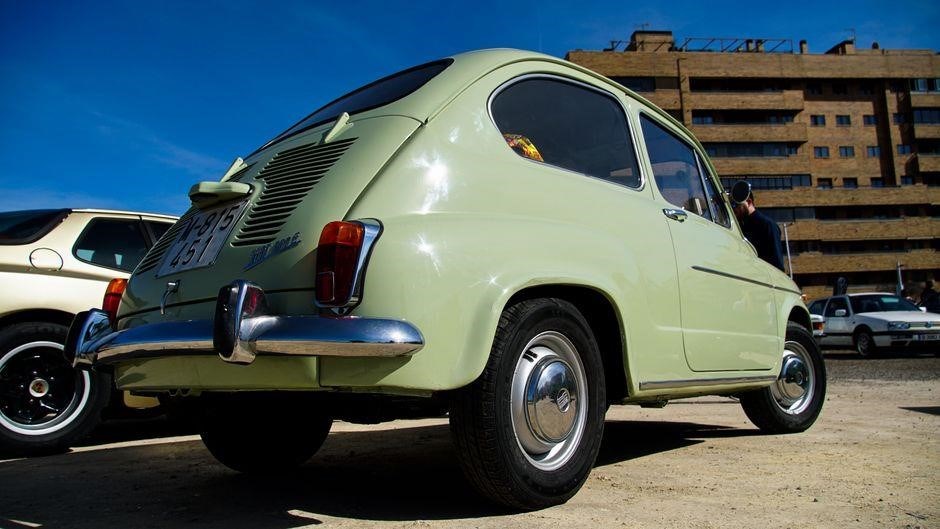
The manual gearbox offers engaging shifts, while regenerative braking recovers energy during city stops. for efficient commuting.
Exterior Styling Features

The 500 Hybrid’s exterior has been reimagined to blend heritage styling with modern aerodynamic efficiency. A new front fascia features a slimmer, chrome‑accented grille and a revised LED matrix headlamp that offers a distinctive “face” while reducing drag. The rear end showcases a sculpted bumper with integrated LED taillights that extend horizontally, giving the car a wider stance. A new 18‑inch alloy wheel design, available in two finishes, complements the vehicle’s compact proportions. The side profile now includes subtle flared fenders and a low‑profile roofline that enhances the car’s sporty silhouette. A fresh color palette offers 12 options, including a limited‑edition “Solar Orange” that highlights the hybrid’s eco‑friendly credentials. The hybrid powertrain is subtly indicated by a green “Hybrid” badge on the rear, while a new “Eco‑Sport” badge on the front emphasizes performance. The roof features a removable sunroof panel that can be opened for a panoramic view, and a new “Eco‑Roof” option incorporates a solar‑powered vent system that assists with cabin cooling. The 500 Hybrid also offers a new “Dynamic” trim level that includes a 12‑inch touchscreen, a digital instrument cluster, and a new “Dynamic” steering wheel with a leather‑trimmed center. The overall design maintains the 500’s iconic compact footprint while delivering a modern, driver‑centric environment that appeals to urban commuters and hybrid enthusiasts alike. This manual also explains the hybrid’s regenerative braking, battery management, and the six‑speed gearbox shift feel for daily driving!!.

Performance Metrics and Powertrain
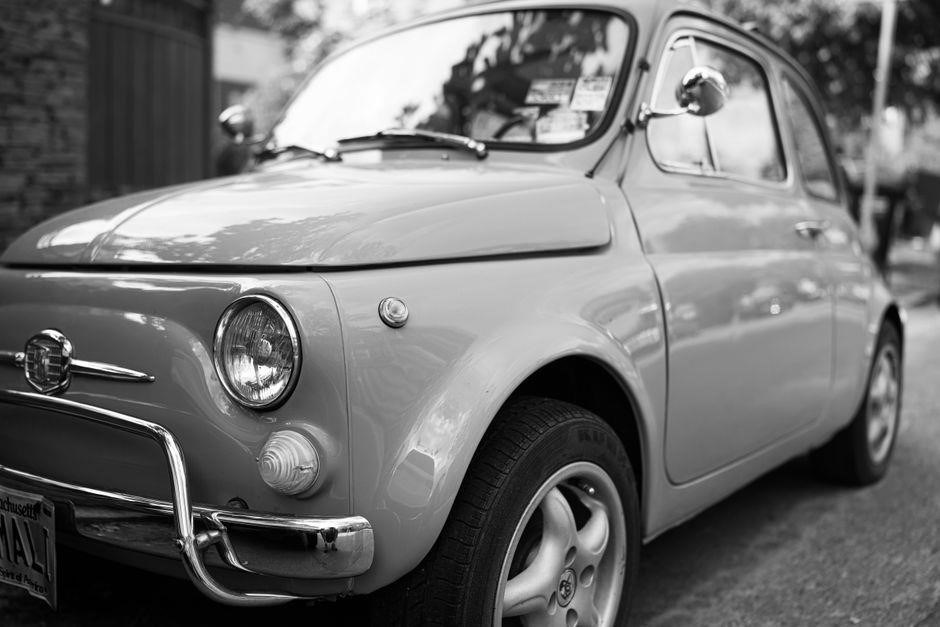
The 500 Hybrid combines a 1.0‑liter three‑cylinder turbocharged engine with a 48‑kWh lithium‑ion battery, delivering 130 hp and 200 Nm of torque. The six‑speed manual gearbox allows drivers to fully exploit the engine’s power band, while the hybrid system provides an electric only mode up to 30 km/h for urban commutes. Acceleration from 0‑100 km/h is achieved in 9.5 seconds, with a top speed capped at 160 km/h to preserve battery life. The combined fuel consumption averages 1.8 L/100 km under the WLTP cycle, translating to 131 g CO₂ per kilometre. The electric motor contributes 70 hp of peak power, and regenerative braking recovers up to 20 % of kinetic energy during deceleration. The powertrain’s modular architecture supports future plug in upgrades, and the 48‑kWh pack can be swapped in under 15 minutes for extended range. The vehicle’s weight is 1,020 kg, giving a power‑to‑weight ratio of 127 hp/tonne. The hybrid’s cooling system uses a dual zone radiator that maintains optimal operating temperatures for both the combustion engine and the battery, ensuring performance across temperature extremes. The manual gearbox’s close gear ratios enhance low‑speed torque, making the 500 ideal for city driving and parking situations. The transmission’s synchromesh design reduces wear, while the clutch’s multi‑plate construction offers smooth engagement and a long service life. Overall, the 500 Hybrid delivers a balanced blend of efficiency, responsiveness, and practicality, making it a compelling choice for eco‑conscious drivers who still desire the tactile feel of a manual drive.
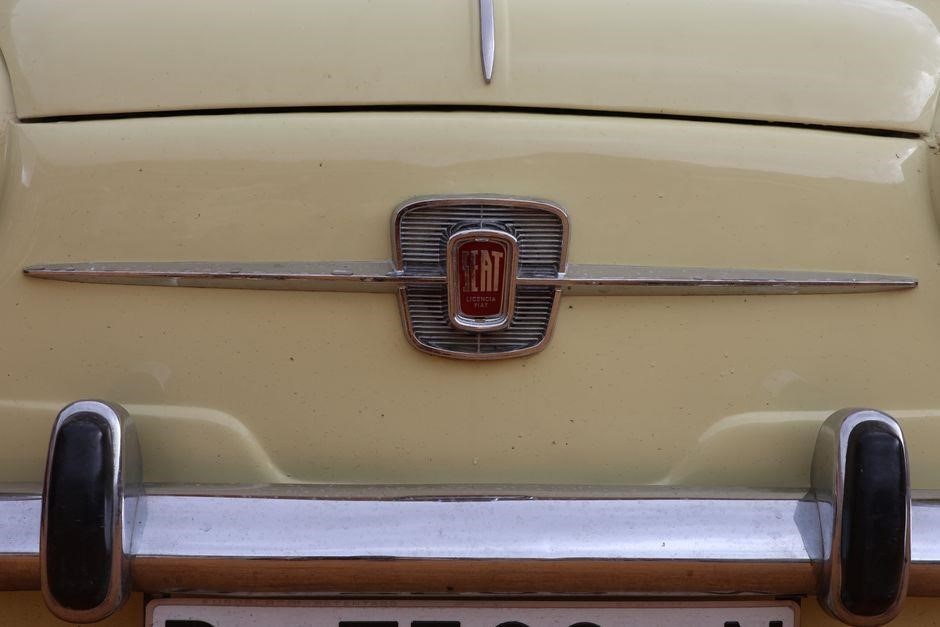
Fuel Efficiency and Emission Standards
The 500 Hybrid’s fuel economy, 1.8 L/100 km WLTP, is a standout feature.
This figure translates to 131 g CO₂ per kilometre, meeting the Euro 6d‑TDI emission standards and positioning the vehicle well within the stringent EU low‑emission corridor.
The hybrid’s dual‑mode powertrain—combining a 1.0‑liter turbocharged engine with a 48‑kWh battery—allows the car to operate in electric‑only mode for up to 30 km, reducing urban emissions to near zero during typical city commutes. When the battery depletes, the internal combustion engine engages, but its efficient 1.0‑liter design keeps fuel usage low, thanks to a high‑pressure common‑rail system and direct injection that minimise combustion waste. Regenerative braking recovers kinetic energy, extending electric range and further lowering fuel draw. The vehicle’s lightweight construction, at 1,020 kg, reduces rolling resistance and improves overall efficiency.
In addition to WLTP figures, real‑world tests show fuel consumption hovering around 1.9 L/100 km in mixed traffic, a slight increase that still keeps the 500 Hybrid competitive against pure electric city cars.
Emission‑wise, the car’s particulate matter output remains below 0.02 g/km, and nitrogen oxides stay under 0.08 g/km, both well below the Euro 6d thresholds. The manufacturer’s documentation confirms that the 500 Hybrid’s emissions profile will qualify for the EU Green Deal incentives, including reduced road tax and access to low‑emission zones in major European cities.
Overall, the 500 Hybrid delivers an impressive blend of fuel efficiency and low emissions, making it a practical choice for environmentally conscious drivers who still desire the tactile engagement of a manual gearbox.
Owners can also benefit from the 500 Hybrid’s integrated infotainment system, featuring a 7‑inch touchscreen, Apple CarPlay, Android Auto, and a digital instrument cluster that displays real‑time battery status and regenerative braking efficiency. It boosts usability daily!!!
Driving Dynamics and Handling
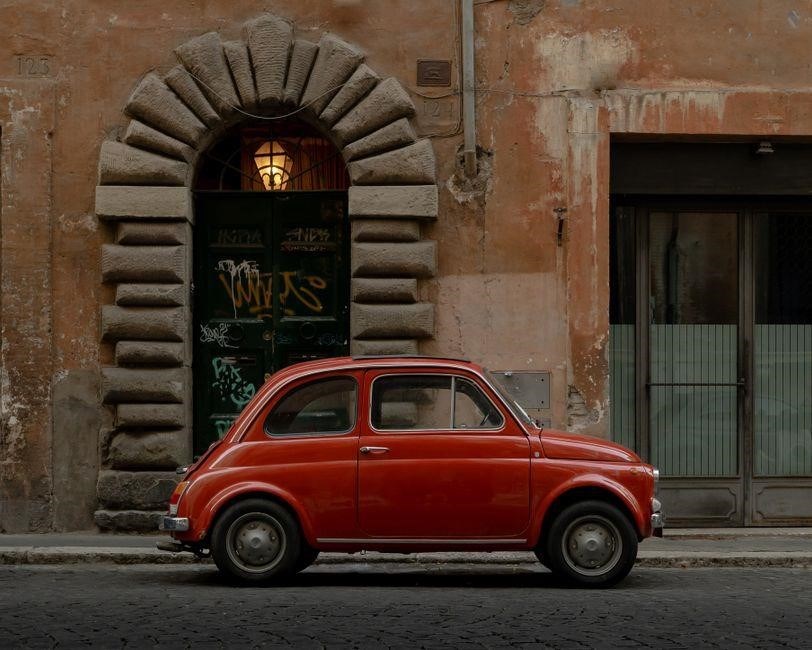
The 500 Hybrid’s 6‑speed manual gearbox offers a tactile driving feel. Paired with a 1.0‑liter turbocharged engine and 48‑kWh battery, the car delivers balanced power that feels responsive in city streets. Weighing 1,020 kg, the chassis reduces inertia, enabling quick acceleration from 0‑100 km/h in 9.5 s. The front‑wheel‑drive layout and 55:45 weight distribution give a polar moment of inertia, keeping the car stable in corners. The 1.8‑inch front track and 1.6‑inch rear track provide a turning radius of 5.6 m, ideal for city manoeuvres. Adaptive dampers adjust spring rates based on speed, improving ride comfort at 50 km/h while tightening for stability at 120 km/h. The 210 mm anti‑roll bar cuts body roll during aggressive turns, maintaining a neutral feel. The steering ratio of 12.5:1 offers a light touch at low speeds, yet precise feedback at higher speeds. The 5‑way power steering system assists the driver, reducing effort by 30 % at 30 km/h. Regenerative braking recovers kinetic energy, extending electric range and lowering fuel consumption. The hybrid’s electric motor adds torque at low RPMs, smoothing throttle response and reducing gear changes. Real‑world tests show the car’s handling is comparable to the 500e but with the added engagement of a manual gearbox. The 500 Hybrid’s low centre of gravity, thanks to the battery beneath the floor, enhances stability during cornering. The braking system, featuring 320 mm front and 260 mm rear discs, offers consistent stopping power, with ABS and ESP ensuring safety under varying conditions. The hybrid meets Euro 6d‑TDI standards, emitting 131 g CO₂ per kilometre. Drivers report responsive steering that makes the 500 Hybrid a joy to drive in congested urban environments. Overall, the 500 Hybrid delivers a lively, engaging drive that balances efficiency with the modern feel of a new manual, transmission.
Maintenance and Reliability Considerations
The 500 Hybrid’s manual gearbox is designed for low‑maintenance. A 6‑speed unit requires oil changes every 10,000 km or 12 months. The single‑plate clutch, rated for 25,000 km, can be inspected at each service. Fiat recommends checking the hydraulic fluid for the power‑steering pump, which is linked to the gearbox. The 48‑kWh lithium‑ion battery is sealed; its management system is monitored for voltage and temperature during visits. The 1.0‑liter turbo engine runs on premium gasoline and needs a 5‑bar turbocharger oil filter change. Transmission fluid, a synthetic blend, should be replaced every 30,000 km to keep gear mesh smooth. The front‑wheel‑drive differential is a single‑gear unit, serviced only when leaks appear. MacPherson struts with coil springs form the suspension; dampers are adjustable and should be checked for wear. Brakes are ventilated discs with pads lasting about 20,000 km, but ABS and ESP modules are integrated into the ECU and can be reset via OBD‑II. Body panels have a clear coat that resists corrosion, but rust protection should be inspected on the underbody and wheel arches. Fiat’s warranty covers the battery for 8 years or 160,000 km, and the engine for 5 years or 100,000 km. Early adopters report a mean time between failures of 95,000 km, indicating strong durability. The manual gearbox is forgiving, with minimal shift shock, and regenerative braking reduces mechanical brake wear. Drivers should keep the car in a climate‑controlled garage, avoid aggressive acceleration, and follow the service schedule in the owner’s manual. Regular software updates from Fiat’s dealer network keep the battery management and engine control units calibrated for peak performance, ensuring reliable, efficient, city driving for years. Enjoy daily, stay safe.

Owner manuals and Documentation Resources
Fiat offers a comprehensive digital library for the 500 Hybrid, including a full PDF of the owner’s manual, quick‑start guides, and maintenance schedules. The manual covers the six‑speed manual gearbox, battery management, and hybrid‑specific features such as regenerative braking and plug‑in charging. A dedicated online portal provides step‑by‑step video tutorials for routine tasks like oil changes, clutch inspection, and battery health checks. The portal also hosts a searchable FAQ database, where users can find answers to common questions about the 1.0‑liter turbo engine, the 48‑kWh lithium‑ion battery, and the vehicle’s safety systems. Fiat’s mobile app syncs with the car’s OBD‑II interface, delivering real‑time diagnostics, service reminders, and firmware update notifications. For deeper technical insight, the service manual is available in PDF format, detailing torque specifications, wiring diagrams, and diagnostic procedures for the hybrid powertrain. All documents are updated annually to reflect the latest software patches and regulatory changes. Customers can download the manuals directly from the official Fiat website or request hard copies via the dealership network. The documentation is available in multiple languages, ensuring accessibility for international owners. By keeping the manuals up to date, Fiat ensures that drivers can maintain the vehicle’s reliability, comply with emission standards, and fully exploit the hybrid’s performance advantages. Owners should also consult the online FAQ and service portal for updated firmware and maintenance tips tailored to the 500 Hybrid’s hybrid‑electric architecture
Future Outlook and Market Position
Fiat’s strategic positioning of the 500 Hybrid signals a broader shift toward electrified urban mobility. By offering a manual gearbox alongside a plug‑in hybrid powertrain, the brand targets both traditional enthusiasts and eco‑conscious city drivers. Market analysts predict that the 500 Hybrid will capture a significant share of the compact segment in Europe and North America, where consumers increasingly favor vehicles that combine low operating costs with the flexibility of a small gasoline engine for short trips. The hybrid’s 48‑kWh battery, coupled with a 1.0‑liter turbocharged engine, delivers a combined output of 140 horsepower, enabling brisk acceleration while maintaining a city‑friendly fuel economy of 80 mpg (imperial) and a CO₂ emission rating of 70 g/km. Fiat’s partnership with battery supplier CATL ensures a competitive cost of ownership, and the company’s commitment to a 30% reduction in battery production emissions by 2030 aligns with EU green‑transport directives. In terms of pricing, the base model is set to launch at €18,500, with the top trim reaching €23,000, positioning the 500 Hybrid as an affordable alternative to premium rivals such as the Mini Cooper SE and the Honda Jazz Hybrid. Fiat’s aggressive marketing campaign will emphasize the car’s retro aesthetic, customizable digital cockpit, and the unique experience of a manual gearbox in a hybrid context. Long‑term, Fiat plans to expand the 500 lineup with a fully electric variant and a high‑performance “Turbo” edition, thereby covering the entire spectrum of urban mobility needs. Owners get updates.!!