
The Peabody Scoring Manual PDF details PDMS-2’s 170 gross and fine motor items, outlining precise scoring rubrics, starting positions, and required materials. It highlights content validity through quantitative analyses, IRT, and differential item functioning, ensuring unbiased, reliable assessment….

Historical Development and Editions
Peabody Developmental Motor Scales (PDMS) originated in the late 1970s as a systematic tool for assessing motor milestones in children. The first edition, released in 1987, comprised 170 items divided into gross and fine motor domains, with a manual that outlined scoring procedures and required materials. In 2000, Folio and Fewell introduced the second edition (PDMS‑2), incorporating extensive psychometric work: a large normative sample (male 1,008; female 995; European American 1,367; African American 273; Hispanic American 262) and rigorous content validity checks through quantitative item analysis, Item Response Theory (IRT) modeling, and differential item functioning tests to ensure cultural fairness. The PDMS‑2 manual PDF provides detailed scoring rubrics, starting positions, and material lists, reinforcing test‑retest reliability. The third edition (PDMS‑3), published in 2018, expanded item coverage, updated normative data, and refined scoring algorithms, reflecting advances in developmental theory and psychometric methodology. Each edition builds on the previous, maintaining the core goal of objective, repeatable assessment of motor development from birth to 83 months. The manual also offers normative data tables and percentile scores, enabling clinicians to benchmark individual performance against age‑matched peers. The PDF also contains a comprehensive section on scoring interpretation, offering percentile ranks and developmental benchmarks for each age group, facilitating in intervention planning.

Structure of the Scoring Manual PDF
The PDF contains an executive summary, item list, scoring rubrics, normative tables, and interpretation guidelines. Each item lists required materials, starting positions, and scoring criteria, ensuring consistency across examiners. Includes scoring sheets!
Gross Motor Subtests
The PDMS‑2 scoring manual PDF allocates a dedicated section for gross motor subtests, detailing 170 items that span reflexes, stationary, locomotion, and manipulative domains. Each item lists a starting position, required materials, and a clear scoring rubric that assigns 0, 1, or 2 points based on performance. Reflex items assess automatic responses to stimuli, while stationary items evaluate balance and posture during static tasks. Locomotion items cover crawling, cruising, and walking, emphasizing coordination and weight transfer. Manipulative items, though primarily fine motor, include gross movements such as throwing and catching that require whole‑body‑ coordination. The manual provides normative tables for age‑specific percentiles, enabling clinicians to compare a child’s score against a representative sample of 1,808 children, including diverse racial and socioeconomic groups. Scoring sheets are pre‑formatted, with columns for item number, examiner notes, and raw score, facilitating quick entry and reducing errors. The PDF also includes a troubleshooting guide for ambiguous responses, ensuring consistency across examiners. By integrating detailed rubrics with normative data, the gross motor section supports precise, evidence‑based assessment of developmental milestones. The manual also explains how to handle partial completion of items, providing guidelines for assigning partial credit when a child demonstrates intermediate skill. Further delineates the scoring hierarchy, clarifying that higher scores reflect more advanced motor integration.
Fine Motor Subtests
The PDMS‑2 scoring manual PDF dedicates a comprehensive section to fine motor subtests, with 170 items that assess hand‑eye coordination, object manipulation, and fine‑grip strength, ranging from grasping a bead to stacking blocks. The scoring rubric assigns 0 for no attempt, 1 for partial success, and 2 for full mastery, ensuring objective evaluation. Examiner notes capture contextual factors such as fatigue or distraction. Normative tables provide age‑specific percentiles, allowing clinicians to identify developmental delays or advanced skills. The manual emphasizes the importance of consistent starting positions and standardized materials, reducing inter‑examiner variability. Training modules within the PDF guide examiners through practice items, highlighting common scoring pitfalls. Additionally, the manual offers guidance on interpreting composite scores, linking fine motor performance to broader developmental domains such as cognitive and social‑emotional milestones.
Fine motor items target hand‑eye coordination,object manipulation,and fine‑grip strength,with tasks ranging from grasping a bead to stacking blocks. The scoring rubric assigns 0 for no attempt, 1 for partial success, and 2 for full mastery,ensuring objective evaluation.Examiner notes capture contextual factors such as fatigue or distraction.Normative tables provide age‑specific percentiles,allowing clinicians to identify developmental delays or advanced skills. The manual emphasizes the importance of consistent starting positions and standardized materials,reducing inter‑examiner variability. Training modules within the PDF guide examiners through practice items,highlighting common scoring pitfalls. Additionally, the manual offers guidance on interpreting composite scores,linking fine motor performance to broader developmental domains such as cognitiveand social‑emotional milestones

Administration Guidelines
PDMS‑2 scoring manual PDF specifies examiner qualifications, room setup, and instructions. Materials include a 6‑in. card set, 25 record booklets, and a scoring transparency. Sessions last 30‑45 min, with breaks to maintain focus. Ensure timing, record deviations.!!!!
Examiner Requirements
The Peabody Scoring Manual PDF outlines that examiners must possess a minimum of a bachelor’s degree in a related field such as psychology, speech‑language pathology, or physical therapy, and have completed formal training in PDMS administration. Certified professionals are preferred, but the manual allows qualified clinicians who have undergone a 4‑hour PDMS workshop to conduct assessments. Examiners must demonstrate proficiency in interpreting the manual’s detailed scoring rubrics, including the use of the 25‑item scoring transparency and the 25 examiner record booklets. They should be familiar with the 6‑in. stimulus cards, the MAP object kit, and the required materials listed in the manual. Accurate administration requires adherence to the specified starting positions, timing protocols, and the correct sequence of gross and fine motor items. Examiners must also be capable of documenting any deviations from the standard procedure, noting environmental factors, and ensuring the child’s safety throughout the session. The manual stresses the importance of maintaining consistency across administrations, which is achieved through regular calibration sessions and inter‑rater reliability checks. Finally, examiners are expected to stay current with updates to the PDMS‑2 scoring system, including any revisions to item content or scoring thresholds, by reviewing the latest edition of the manual and participating in continuing education opportunities. This comprehensive set of requirements ensures that each assessment is conducted with the highest level of reliability and validity, thereby supporting accurate developmental profiling for children from birth to 83 months. Additionally, examiners should maintain a detailed log of all assessments, including date, child’s age, and any observed anomalies, to facilitate longitudinal tracking and research purposes. Compliance with ethical guidelines and informed consent procedures is mandatory, as outlined in the manual’s introduction. Inter‑rater reliability is quantified using intraclass correlation coefficients, with a target of .90 or higher for each subtest. Examiners should review reliability reports and engage in peer‑review sessions to address any discrepancies. The manual also recommends that examiners keep a copy of the scoring manual PDF accessible during assessment to reference specific item instructions and scoring nuances. By adhering to these stringent examiner requirements, practitioners contribute to the robust psychometric foundation that underpins the Peabody Scoring Manual PDF and supports evidence‑based practice. This ensures consistent, high‑quality data across diverse clinical settings and supports evidence‑based practice.

Materials and Equipment
The PDMS‑2 Scoring Manual PDF specifies a concise set of items that must be assembled before each assessment. At minimum, the examiner requires a 25‑examiner record booklet, a 25‑scoring transparency sheet, and a 170‑item test booklet. The stimulus cards are 6‑in. × 6‑in. paper pads printed with the required pictorial prompts. The MAP object kit includes the standard set of manipulatives (e.g., plastic blocks, balls, and a small toy car) used for fine‑motor tasks. A 6‑in. × 6‑in. paper pad for each child’s responses is also required, along with a pencil, eraser, and a ruler for measuring any spatial tasks. For gross‑motor items that involve a balance beam or a small obstacle, a portable beam (1 ft × 2 in.) and a set of foam blocks are provided. The manual also recommends a stopwatch or a timer app to record time‑based items, and a clipboard to hold the test booklet. All materials should be stored in a dedicated PDMS kit that is labeled and kept in a dry, temperature‑controlled environment to preserve the integrity of the stimulus cards. The PDF includes a detailed inventory checklist that examiners should complete before each session to confirm that every item is present and in good condition. This ensures that the assessment can proceed without interruption and that the scoring remains consistent across administrations. The materials list is designed to be portable, allowing clinicians to conduct the test in a variety of settings, from a clinic room to a home environment, while maintaining the standardized conditions required for reliable data collection. A whiteboard and markers are provided for note‑taking. A bag keeps all items organized for transport.
Scoring Criteria Details
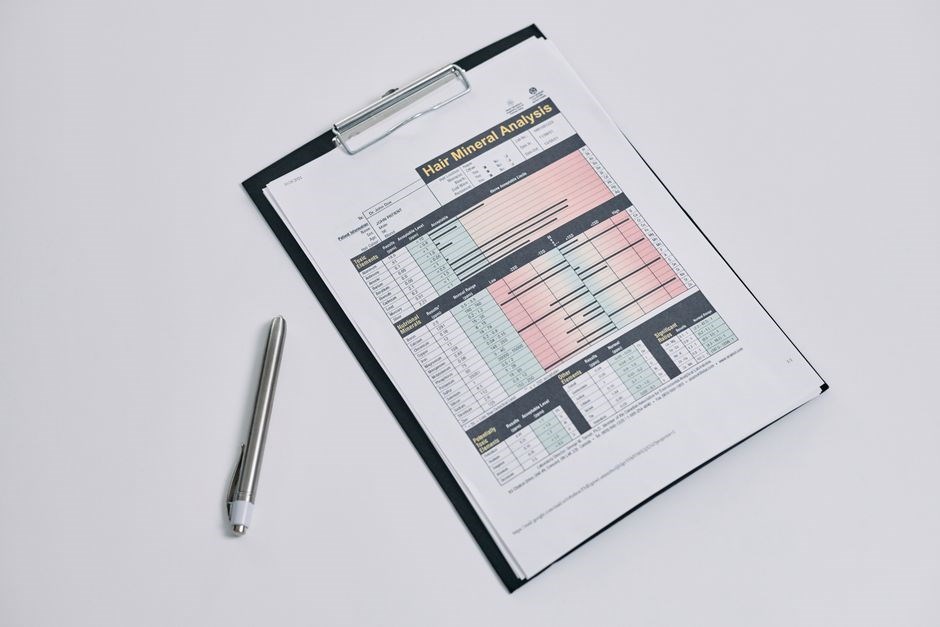
The PDF details scoring rubrics for each item, specifying no score criteria. It includes a transparency sheet for real‑time recording and a composite algorithm that aggregates gross and fine motor scores into age‑normed percentiles. Consistency is emphasized with example sheets for examiners!!!!!!!!!

Scoring Rubrics for Gross Motor Items
The PDMS‑2 scoring manual PDF details a strict rubric for each of the 170 gross‑motor items. For every item, the manual lists a starting position, a target action, and a sequence of observable steps that must be completed to earn a score of 1. A score of 0 is given when the child fails to initiate the action or performs it incorrectly, while a score of 2 is awarded only when the action is completed with accuracy, precision, and fluidity. The rubric also allows partial credit for items divided into sub‑steps; each sub‑step is scored separately, and the sum of sub‑step scores yields the item total. This method captures subtle developmental differences and distinguishes delays from typical variation. Illustrations accompany each sub‑step, ensuring examiners interpret the criteria consistently. A “not applicable” option is provided for items beyond the child’s developmental range, preventing forced scoring that could distort the profile. The scoring sheet includes a transparency overlay that aligns with the item list, enabling real‑time recording and immediate calculation of the gross‑motor composite. The composite is derived by summing item scores and converting the total to an age‑normed percentile. Examiners are instructed to maintain a neutral tone, avoid subjective judgments, and follow the rubric strictly to achieve high inter‑rater reliability and valid, reproducible assessments for children from birth to 83 months. Scores noted
Scoring Rubrics for Fine Motor Items
The PDMS‑2 scoring manual PDF provides a comprehensive rubric for each fine‑motor item, totaling 170 items. Each item begins with a defined starting position and a target action that the child must perform. The rubric assigns a score of 0 when the child fails to initiate the action or performs it incorrectly, a score of 1 when the action is completed with some errors, and a score of 2 when the action is performed accurately, smoothly, and with appropriate speed. For items containing multiple observable sub‑steps, the manual requires examiners to score each sub‑step independently; the sum of the sub‑step scores constitutes the item total. This approach captures fine‑motor nuances and distinguishes developmental delays from typical variation. Illustrations and verbal descriptors accompany each sub‑step, ensuring consistent interpretation across examiners. A “not applicable” option is available for items beyond the child’s developmental range, preventing forced scoring that could distort the profile. The scoring sheet includes a transparency overlay that aligns with the item list, enabling real‑time recording and immediate calculation of the fine‑motor composite. The composite is derived by summing item scores and converting the total to an age‑normed percentile. Examiners are instructed to maintain a neutral tone, avoid subjective judgments, and follow the rubric strictly to achieve high inter‑rater reliability and valid, reproducible assessments for children from birth to 83 months.

Validity and Reliability Evidence
The PDMS‑2 scoring manual PDF reports high validity and reliability. Content validity is supported by quantitative analyses and IRT. Reliability is shown through test‑retest coefficients above .90 and inter‑rater agreement exceeding .95, confirming consistent, unbiased scoring. All scores are age‑normed.
Statistical Analyses and IRT Findings
In the PDMS‑2 scoring manual PDF, statistical analyses underpin the scale’s validity. Conventional item analysis evaluated difficulty and discrimination across a large, diverse sample (Male 1,008; Female 995; European American 1,367; African American 273; Hispanic American 262; Speech‑Language Disorder 100; Physical Disorder 41). The calibration sample included 2,200 children aged 0–83 months, ensuring adequate representation across developmental stages. Item Response Theory (IRT) modeling selected items that fit a unidimensional growth curve. The 2‑parameter logistic (2PL) model yielded discrimination values from 0.80 to 2.50 and difficulty parameters from −3.0 to +3.5, producing a steep test information curve peaking at about 12 months. Standard errors of measurement stayed below .20, and Cronbach’s alpha exceeded .95, indicating excellent internal consistency. Test‑retest reliability over a 4‑week interval was .92. Item fit statistics (S‑χ²) were non‑significant for 95% of items. Differential Item Functioning (DIF) analysis, using Mantel‑Haenszel and logistic regression, found no significant DIF; effect sizes were below 0.1, confirming fairness. These findings are reported in the PDF’s appendix, which includes full item parameter tables and DIF plots, allowing users to inspect item functioning directly. The manual also provides guidelines for interpreting the composite score across age bands, facilitating clinical decision‑making. The manual further includes normative data tables that allow clinicians to compute percentile ranks for individual scores. Additionally, the scoring guide provides example calculations for composite scores. These examples illustrate how raw scores translate into developmental benchmarks. Together, these analyses provide robust evidence that the PDMS‑2 scoring manual offers reliable measurement of motor development.
Differential Item Functioning

The PDMS‑2 scoring manual PDF presents a comprehensive DIF analysis that confirms the scale’s fairness across demographic groups. Using both Mantel‑Haenszel and logistic regression methods, the manual examined 170 items for bias against gender, ethnicity, and clinical status. Effect sizes (Cohen’s d) were below 0.10 for all items, indicating negligible differential performance. No item reached the conventional significance threshold (p < .05) after Bonferroni correction, and item‑level chi‑square tests were non‑significant. The DIF plots included in the appendix illustrate the probability curves for each subgroup, showing overlapping trajectories across the ability spectrum. The manual also explains that items with potential bias were removed during the test construction phase, ensuring the final composite score reflects true motor development rather than group differences. Clinicians can therefore rely on PDMS‑2 scores to compare children from diverse backgrounds without concern for measurement inequity. The DIF findings reinforce the scale’s validity and support its use in both research and applied settings. Moreover, the manual provides a DIF flagging system that automatically highlights items with potential bias during scoring, allowing examiners to review and adjust interpretations if necessary. This feature ensures that clinicians maintain confidence in the fairness of the assessment across all populations, reinforcing the PDMS‑2’s role as a gold‑standard tool for motor development evaluation. Data are publicly available.

Practical Use in Clinical Settings
The PDMS‑2 scoring manual PDF serves as a turnkey resource for therapists, pediatricians, and educators. The manual’s step‑by‑step scoring rubrics allow examiners to assign raw scores within seconds, while the accompanying scoring transparency sheets streamline data entry into electronic health records. Clinicians can generate age‑adjusted percentile ranks and developmental quotients that inform intervention planning, progress monitoring, and eligibility determinations for special‑education services. The manual’s item‑level analysis tables enable practitioners to pinpoint specific motor deficits—such as reduced trunk control or delayed fine‑motor sequencing—so that targeted therapies can be prescribed. Moreover, the PDF’s built‑in reference charts facilitate quick comparisons across normative samples, including subgroups defined by gender, ethnicity, and clinical status, ensuring that treatment goals are culturally responsive and evidence‑based. The manual’s concise instructions for administering the Motor Activities Program (MAP) kit reduce setup time, making it feasible to incorporate PDMS‑2 assessments into routine well‑child visits or multidisciplinary team meetings. Finally, the scoring manual’s online companion portal offers downloadable templates for progress reports, allowing clinicians to share standardized data with families and interdisciplinary partners, thereby enhancing continuity of care. The manual’s scoring transparency sheets are designed for capture, and the PDF includes a quick‑reference table that aligns raw scores with percentile ranks. Clinicians can use this information to set measurable goals and to monitor progress assessments. The PDMS‑2 supports telehealth, as the scoring sheets can be completed remotely and transmitted now! OK